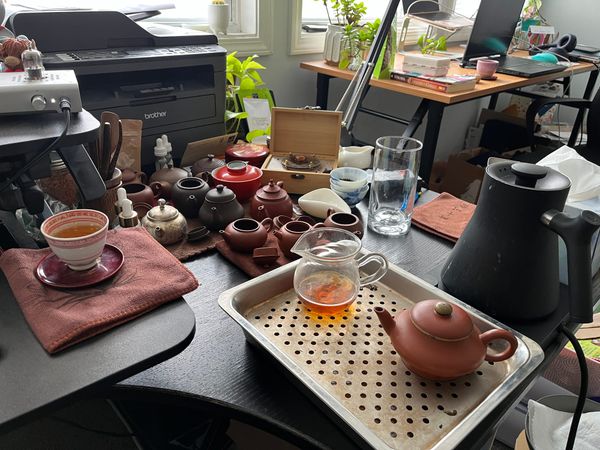
The Kettle Stone Situation

BIG DISCLAIMER:
I believe Lizella clay is probably great and I had a freak thing happen here.
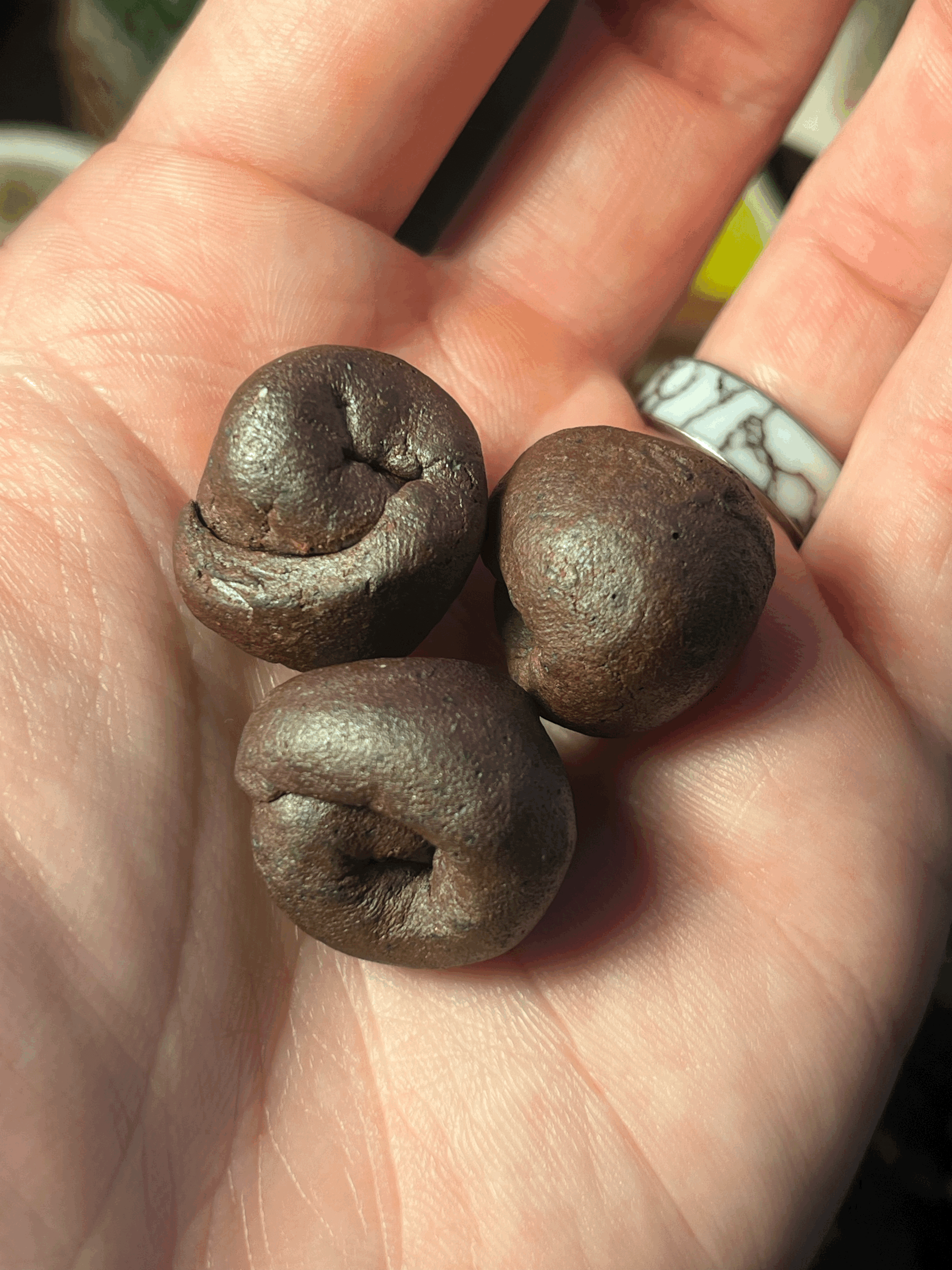
I procured fresh, never used Lizella clay kettle stones from the most recent firing of a batch of Lizella teapots. These were as fresh as fresh comes, and were only used for about 2.5 days.
I am friend's with Mark and he is a great person. I respect his work and he is a very knowledgeable potter and exceptional teapot maker. He is also very research minded and curious like me, so we're just trying to figure this out. Plenty of people have great things to say about his clay and I have also had great experiences with his clay at his home.
Update:
After several more articles and months of experimentation, water changes, and tea drinking, I still cannot say with confidence what caused this experience. At the time, I suspected that using completely fresh, unseasoned kettle stones may have contributed, perhaps in combination with changes I was experiencing in the RO fill-station water I used as a base. Subsequent testing complicated that explanation considerably, however, and I never established a causal relationship between the stones and what I experienced.
Notably, and as mentioned at the very end of the article, Mark's kettle stones were from the same batch from a few days prior thrown in fresh like mine in his studio kettle. In those conditions, we drank a pomelo dancong with unfiltered tap water and those stones and a Lizella studio pot. It was delightful. I am confused but tired of this discourse and want to move on to enjoyable tea. I'll plan to revisit and ponder in the future.
Alright, so - here's the scoop:
I was having just fine tea and enjoying sampling through some higher end trades that occurred recently. I was using Empirical Water, Glacial recipe at standard concentration as I had been for the last several months. Everything was fine, til it wasn't. This is the culmination of not quite 3 days from that point.
Retracing the steps:
A month or so ago - not long: I was in another season of very strong, clay teaware related research. I quickly, over the course of a week, realized I was not enjoying tea, but testing like a maniac; so I took a step back (article on that below as well - also coming soon).
I scaled down testing, started enjoying sampling, and then found myself drifting back into tests after just a few weeks. I can't seem to stop sometimes.
After ramping up more tests with various conditions, but keeping the water the same throughout - I ended up visiting Mark again and bringing home a studio pot of his, 3 years old, used monthly or more, mostly young sheng put through it. (yet again, another article about my experience w/ Mohler clay below - coming soon)
If you want to read any of these coming soon articles, subscribe to the free mailing list below!
Let's move the timeline up to about Sunday June 8th, 2025:
I probably tested out his pot (the one mentioned above) about 3 times before putting the small handful of 3 fresh kettle stones into my fellow Stagg stainless steel kettle (the same one he has actually, and many of us are familiar with it).
Here is a photo of what they looked like fresh before any use:
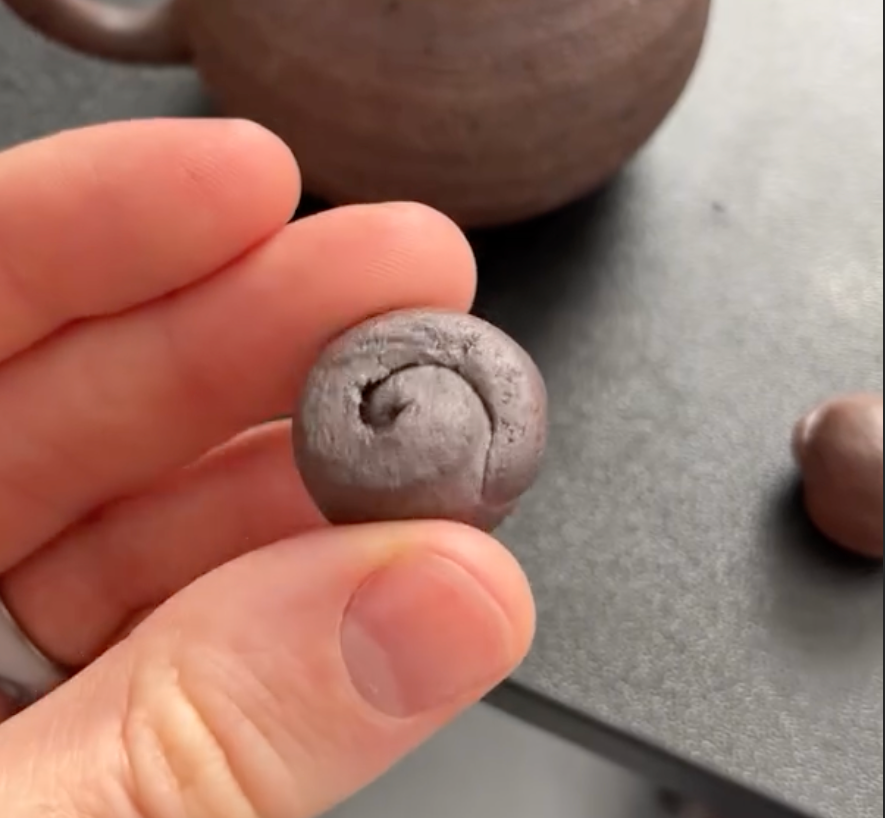
I believe I put them in mid-day after a session to experiment with on the 11th, today is the 13th - a bit past 48hrs later. Here is what they look like now, they were not taken out of the kettle at any point - as Mark does and I assume as most would as well.
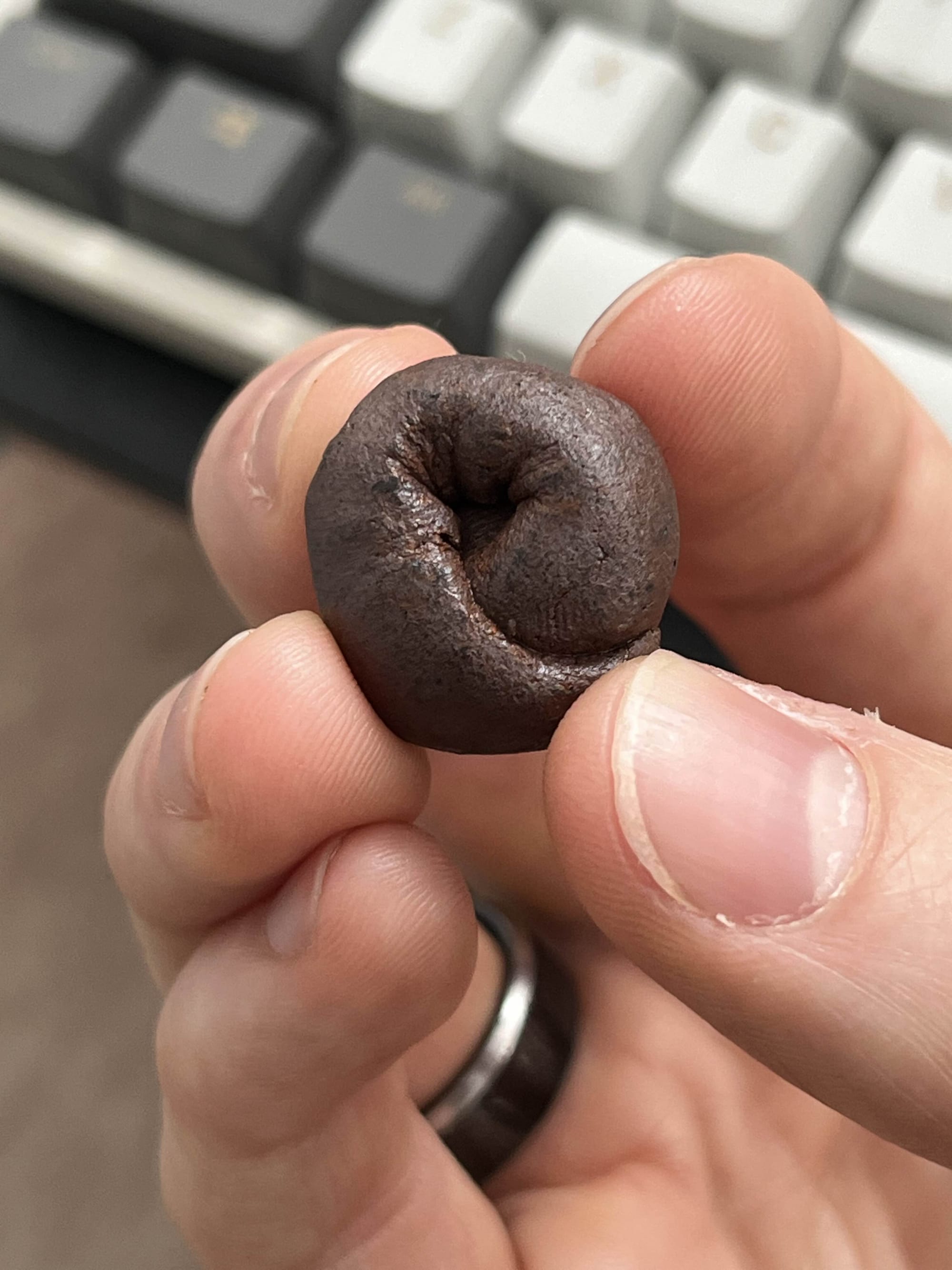
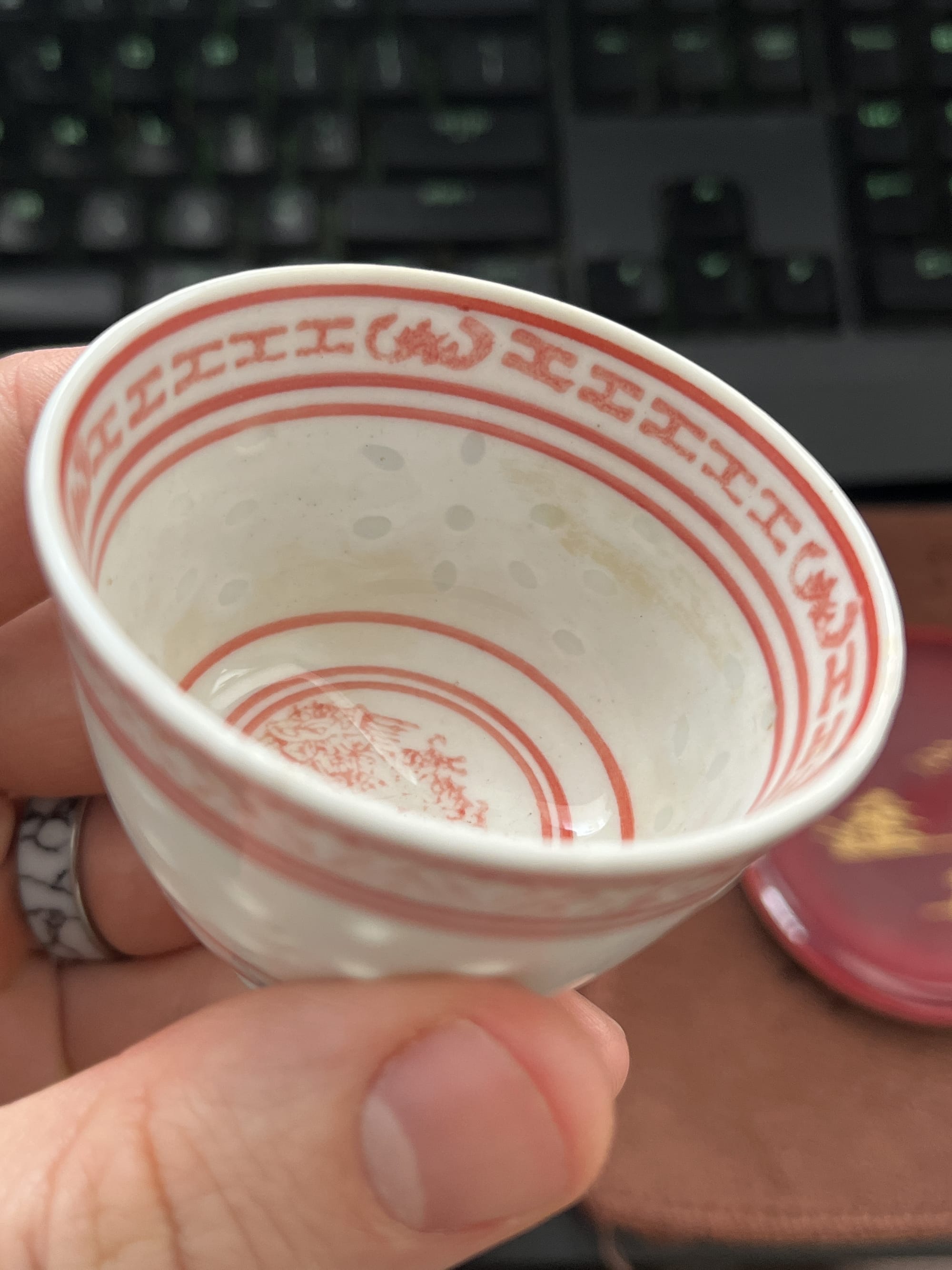
Notice that the edges developed a distinct brownish discoloration. Similar-looking material appeared on the top rim of the kettle lid where steam collects and as a film on the inner wall of the teacup; the latter rubbed off with rinsing.
At present: I have been experiencing fairly continuous agitation at the rear sides of the tongue. It feels like it's in pretty pinpoint spots sometimes, but then often it creeps up the whole of both sides of my tongue.
The agitation is bizarre, it is some sort of metallic-aluminum foil-soda can taste, sour/puckering sensation, and general tenderness creating this non-stop salivating from the affected areas...extremely odd. It is very uncomfortable.
The timing coincided closely with my introduction of the kettle stones, which naturally made them one of the variables I suspected at the time, though timing alone obviously doesn't establish causation.
Disclaimer:
There is technically a chance that it is something else entirely causing this. However, the context weighs against that possibility in my opinion...this was my train of thought the last couple days:
- It could be that I was eating / drinking off
- Yes but I've been doing nothing different really, I actually been cooking and eating at home much more often the last couple weeks and feeling much better for it. All the meals have been predictable things we would normally make.
- It could be that I was smoking cigars and pipe more, agitating the tongue pulling it back to the rear of the palate and retro-haling a bit for the first time
- Well then why didn't it affect me for days? It's also not a new variable, sure there's a smidge more frequency, but I smoke well and cool - and high quality leaf. I've gotten tongue bite far worse from smoke too hot but never this, and I've only gotten better at extracting gentle flavors from gentle smoke.
- Well, maybe there's like, a dental issue or something going on?
- Could be I guess idk, I'll go to the dentist soon anyway if it lingers I'll have him check thoroughly. I will ask him for sure just in case there's something he knows that I don't.
What kept drawing my attention back to the stones was the timing: I first noticed the sensation during the first tea I drank after putting them into the kettle. Again, that was an observation, not proof of its cause.
Trying to Make Sense of It:
We've all had experience with getting off tastes from teapots or changes in water, if you've been drinking tea for any length of time and tried anything new at least.
For some reason, and I don't know why - part of what I want to research more:
Clay and water interactions are an area I remain deeply curious about, but I don't have enough evidence from this experience to characterize what, if anything, was happening chemically here.
Mark seems to think "you'd have to be a one in a million sensate" to detect noticeable differences in water or tea from being brewed in clay due to things like ion exchange. It's just too granular a level to notice.
While I'm not fully sure I agree, or honestly even understand - certainly don't understand as much about clay as he does by a country mile...one thing is for sure:
Whatever the cause, I could certainly detect a sensation that reminded me of wrapping my tongue in aluminum. What's even more bizarre about this to me is that I've drank tea with him in person twice now, and even in the studio pot twice also. We've used his exact same kettle as mine with stones in his as well - granted, a bit more seasoned, but he confirmed they were from the same batch and thrown in not long before.
Now, his setup had no noticeable effect. He uses unfiltered tap water in the basement studio and isn't fussy about anything and I've not detected anything like this in his conditions. Honestly, I brewed for him myself while he listed the most recent batch of pots. We had a lovely pomelo fragrance dancong of all things in his clay and it worked, really did, I enjoyed it greatly.
Now, would that dancong do better in my more specific and 'refined' conditions? Maybe, yeah...but it was really quite nice, I genuinely enjoyed it, we both did. We also had a lovely day hanging out together and I again learned a lot about clay.
This is a deeply fascinating and still somewhat elusive and inconclusive thing to me.
I'm not sure where to go from here.
At this point, the only thing I could say confidently was that something had changed within this particular combination of kettle, water, fresh stones, tea, and my own perception. I didn't yet know which variable—or combination of variables—was responsible.
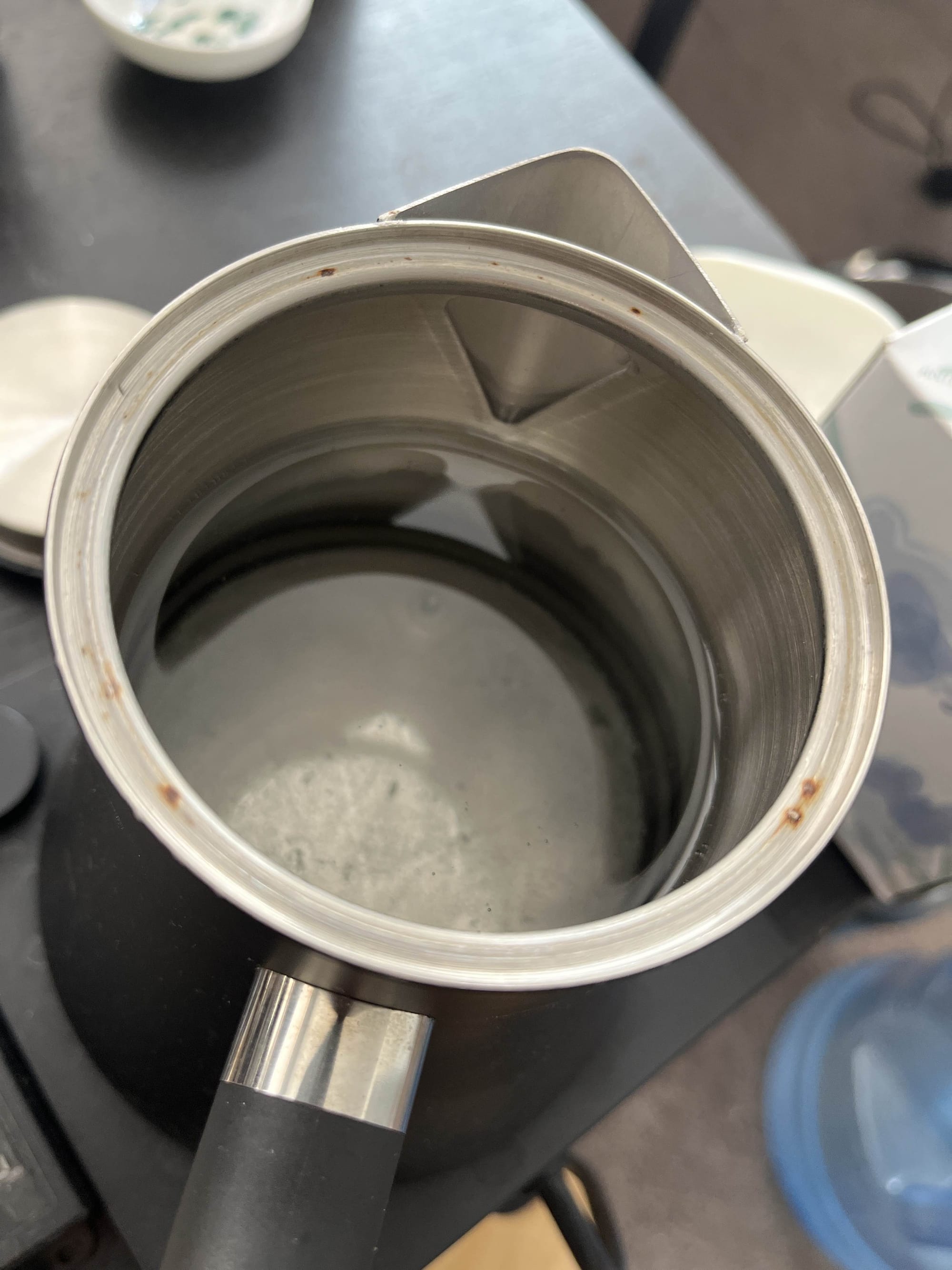
I tried cleaning my kettle about 3 times and may have to do one more just to be sure. I boiled some vinegar and water, baking soda and water, and scrubbed it out with a sponge laden in lemon juice - testing it between each time to no positive result. It even got these brownish looking rust-like deposits on the top inside rim where steam gets trapped in just 2 days.
As did my cup, collecting a noticeably different coating than the typical left behind tea stain (I know cause normal water in it with that film present gave the same taste - it rubbed right off with hot water though).
Current Speculations:
At this point, I'm not sure to be honest. I'll continue testing...just, maybe at a slower pace 😄 I'd like to intersperse a lot more learning and growing days of enjoying good tea in known parameters than overweighting my week with unknowns and new variables. (and again - article coming soon on the idea of testing vs. enjoying tea)
I do think I have a few very solid takeaways, at least for now:
- Whatever produced the metallic sensation in this particular setup was extremely unpleasant to me. I had initially suspected the fresh Lizella stones because of the timing, but I could not establish whether the stones themselves, my water, some interaction among variables, or something else entirely was responsible.
- Using clay directly in the kettle seemed, in this experiment, to coincide with a much more noticeable sensory change than I was accustomed to from simply brewing tea in clay. What caused that difference remained unclear.
- Mark and I also discussed the break-in and seasoning of Lizella clay, which may change with use. I don't know whether that was relevant to what happened here.
- Plug for Seo on this one: Glazed. Glazed. Glazed. ALWAYS run tests involving new water or things like that in glazed BEFORE granting them permission straight into your treasured 60's hongni teapot. It won't kill it, but it'll be a pain and a mild scare if it throws a valued pot off or you have to, even gently, undo some damage to the seasoning you've worked to build with a light reset.
EDIT: Circling Back ~One Week Later
It's been slightly past a week by a day or two now; I have a few short things to add:
Mark's kettle contained fresh stones from the same recent batch, yet I experienced none of these problems while drinking with him. That substantially complicated my initial suspicion that fresh stones alone explained what happened. Differences in water, equipment, tea, environment, or some combination of variables remained possible, but I did not have controlled testing capable of identifying the cause.
EDIT: Circling Back ~Another Week Later
Having a session of Wistaria Qing Teng today and getting a faint trace of that metal in the same spots in the rear of the palate on either side. Not so much that it makes me want to dump the session but enough that it's noticeable and unfortunate. About a 3/10 presence.
The kettle did show a strange and unfamiliar brownish tinted 'tarnish' look on the inside at the mid point on the stainless steel wall. Same kettle as above and as used all the time. It didn't look like rust, more like something I could have almost wiped off. I'm not sure if my fingers would have gotten it off or if it would have required a little more, it looked 'part of the metal' to a degree. I've never seen this before and never had these issues.
The strange part about this is that just yesterday I had Mopar's '98 8582 with the same kettle, same water, same pot, same cup, and in the same seat that I pretty much always drink from and am using as my default setup for when I don't want variables and/or just know for sure I want to enjoy a tea fully. Of course if it's a known trad production I won't put it in the 60's hongni, though once and a while I might...I tend to use the Blapple for such applications. This was not one of those times and the 8582 tasted...admittedly a bit off, but good and enjoyable. I wouldn't say I detected the taste or sensation I've been referencing.
Maybe it was the type of tea? Could Qing Teng have made whatever sensation I was detecting more noticeable than the older, wetter material? Could its acidity have aggravated lingering sensitivity? I couldn't tell.
Interestingly, I just had - again, in the same kettle - a couple other teas this week with some softer waters I was testing (Icelandic Glacial and Saratoga). While I hated that experience 😆, I did not get any metal taste / tongue sensitivity with those tests. You can read that here:
 Brandon Kendall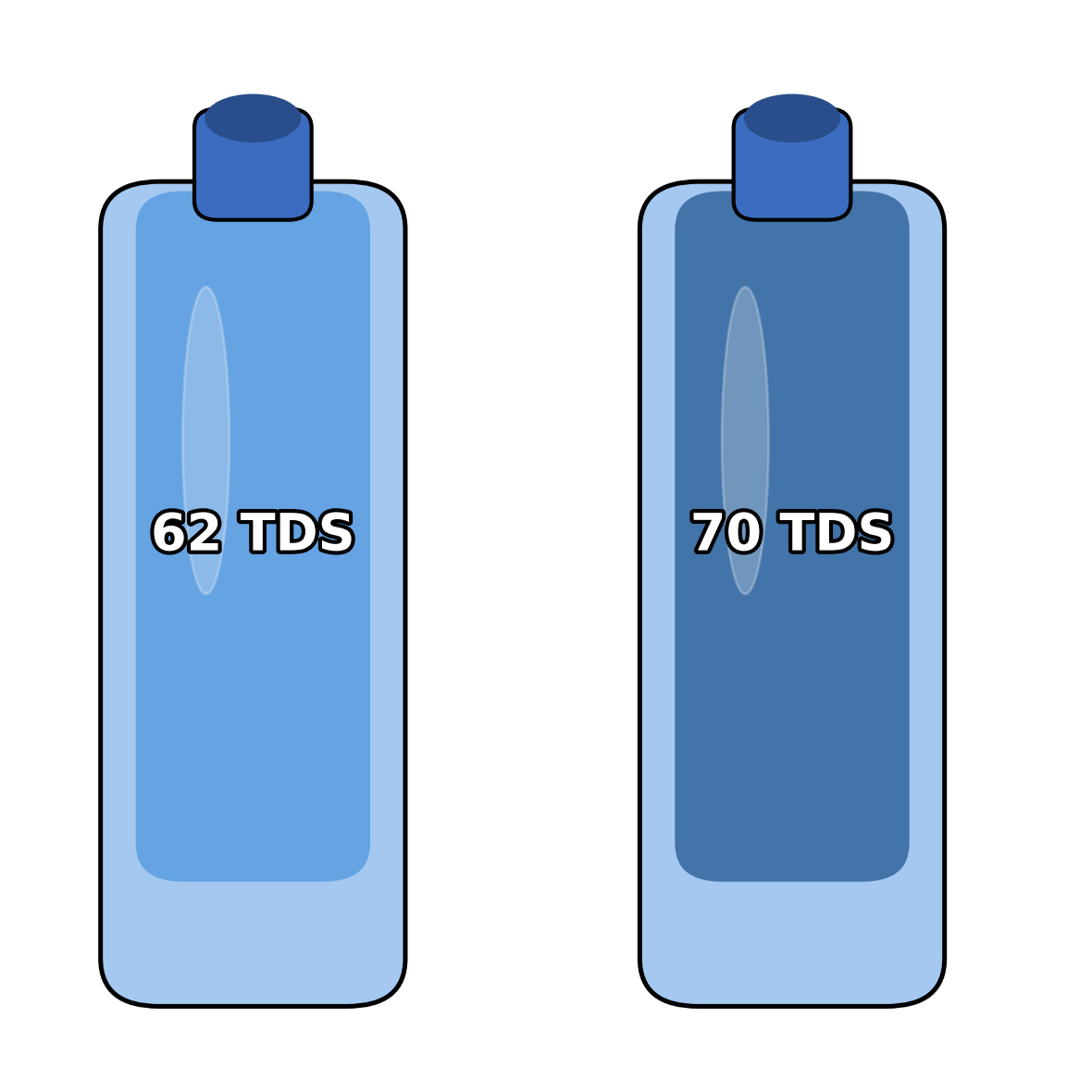
Updated August 2026: I revisited this article to distinguish more clearly between what I personally observed and the hypotheses I considered at the time. I never established the cause of this experience, and subsequent experiences with Mark and stones from the same batch complicated my original suspicions considerably. The article remains as a record of the experiment and my thinking as it developed.