What a Waterful World


You see, I have had water woes here before. Ever since I started drinking tea as a matter of fact have I had hydro-induced depression, fits of rage, and, bereft of quality and consistency in my brewing water for tea; mania.
The 'water spiral' as I have now been unintentionally responsible for the coining of (or rather being branded by) is an all too dark reality in this abysmal city of Pittsburgh, Pennsylvania.
I love Pittsburgh. It is my city. I enjoy its presence and what it has to offer.
My lovely city, however, (becoming less lovely by the 3 year interval due to economic disparity growing) does not love my tea.
This is of course, is a massive problem. However, to get to the matter at hand.
I have been mixing my own water for brewing tea since month one.
Pittsburgh is the type of city where you can go to a food coop and get some curried chicken salad and crackers, go watch kids play outside in a nice park, grab some wine, maybe-possibly drink it outdoors during a picnic when it's technically illegal but the cops probably don't have interest in arresting a 27 year old white male and his wife for seeking out the 'green bell pepper note' in a Cabernet Franc...
It's nice. Its water, however, is very much not.
You see, in the land of the three rivers and two-lane deathtraps like Rialto Ave...
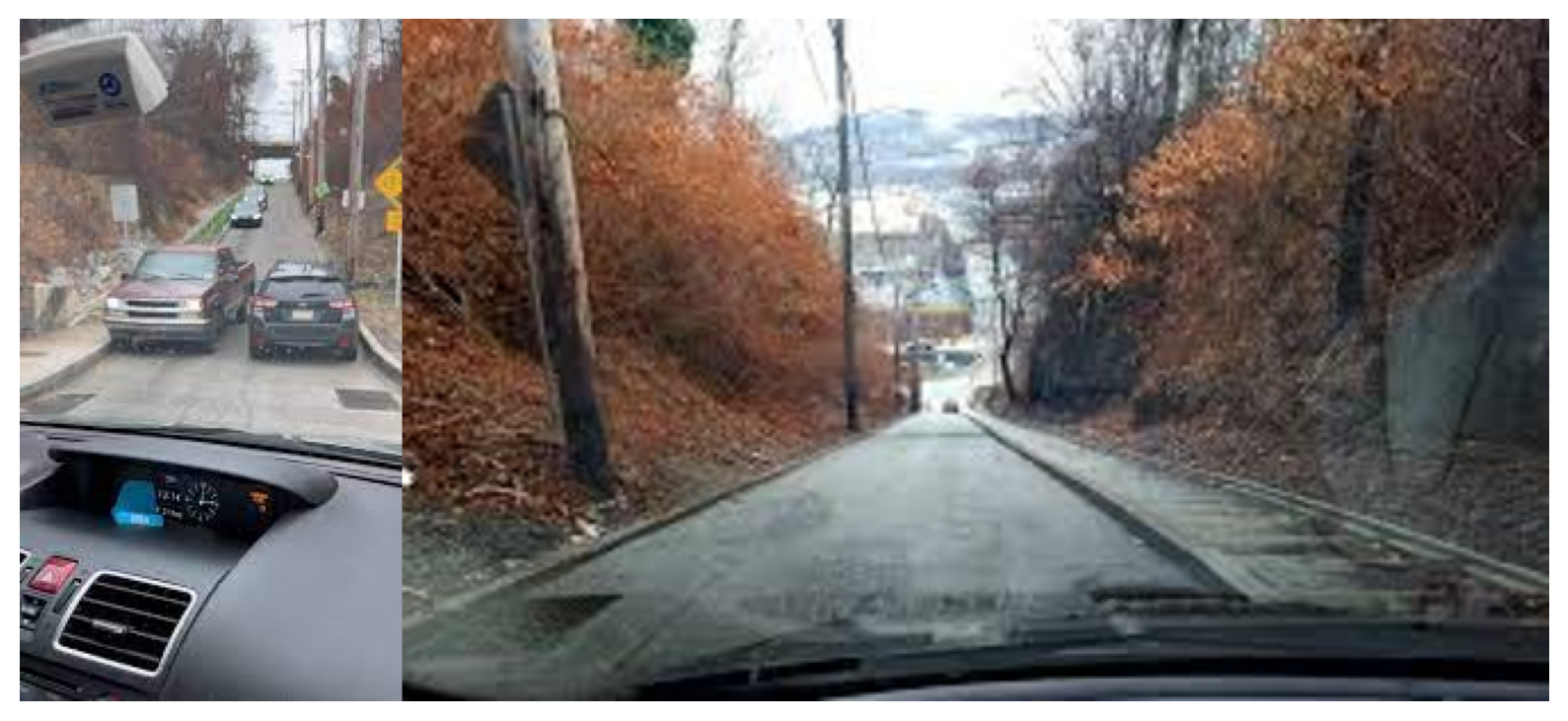
...we are no strangers to having the occasional public advisories that put all restaurants in the city limits on bottled-water only restrictions for consumers due to health safety risks for the day.
Fun fact: We've also had 2 full size city buses suddenly consumed by sinkholes, a bridge give out while former President Joe Biden was driving on it, and about 46 tornado warnings every year in the first few months of Spring 😃
Things here, like using water to brew tea, sort of just...don't work!
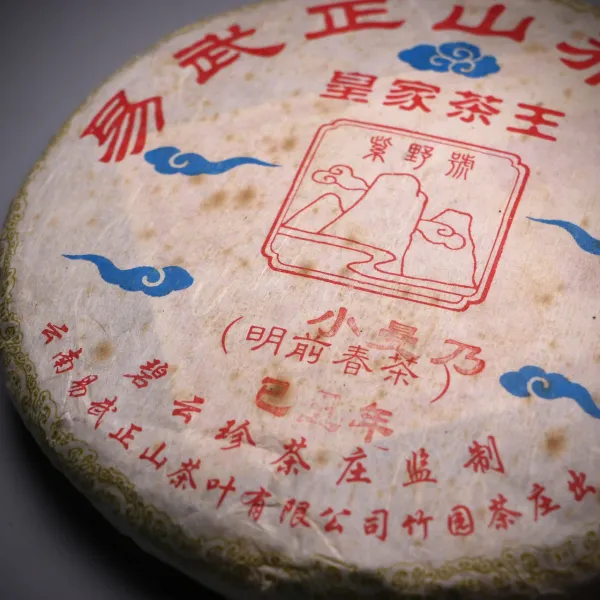
So, naturally, when becoming something of an aficionado of Pu'er tea, I really only had 3 choices:
- Use crap-tap (filtered for safety) and be sad. (aka, just don't drink tea)
- Buy bottled water all the time and deal with everything that comes with that...
- Or, make my own.
So I chose the 3rd option, and became - a water mage.

The Powdered Age
Ah the days...looked like a little amateur chemistry lab in there!
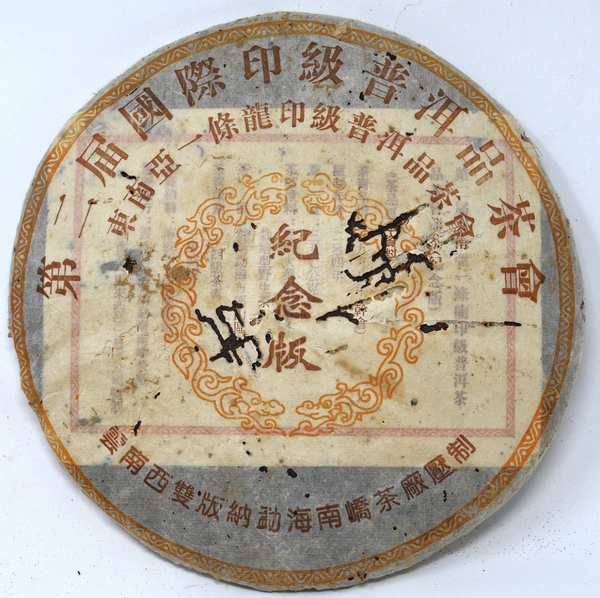
Western gongfucha enthusiasts seem to have an uncanny way of turning everything into a scene from an action movie where there's tables full of scales, chemically labeled white powders, a giant stash of silver mylar bags in boxes in the corner, and a bunch of tea cakes with asian writing in paper wrappers piled in stacks.
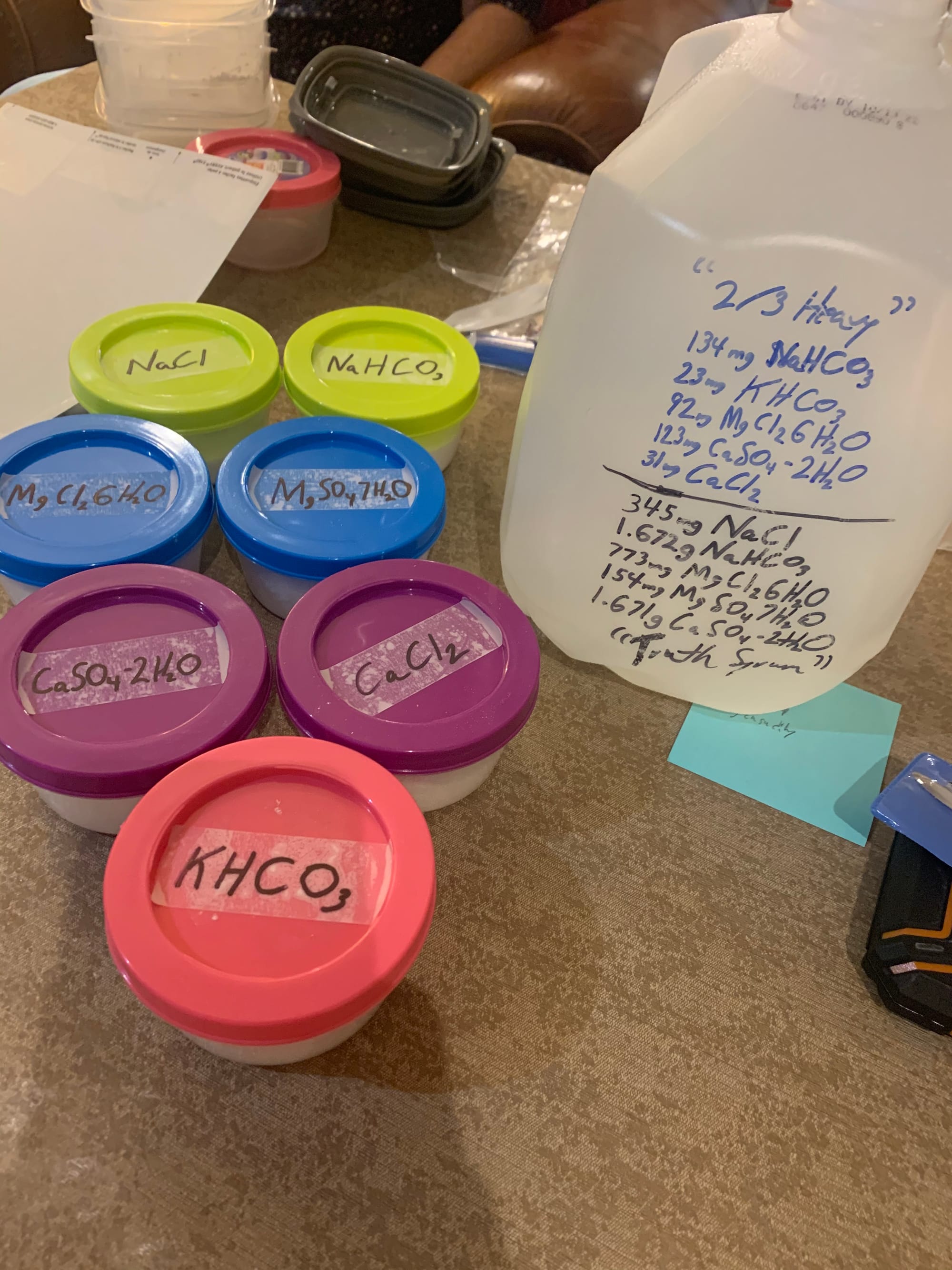
This worked for a while, but it proved a bit more finicky to maintain than I was in for.
I had started learning water originally from Arby (Empirical Water) and Max (Tea Secrets). I would read all their stuff and interface with them on Discord and Instagram, mostly Discord. We became friends and I would help test recipes for Arby but at times we were all working on similar things together.
Don't get the wrong impression - those two are way ahead of me in the water game, that's literally Arby's livelihood now. I've linked both of their sites and Arby's business at the end of the article. I was just honored to help and have them to bounce ideas off of and ask questions. I wouldn't call myself a co-creator.
One thing I had not anticipated in mineral blending was the sheer difficulty in keeping the minerals fully dry and not clumped. I used multiple different containers with different levels of seal, each more than the last. Even using the Gripstic brand bag sealers (check those out on Amazon they rock) and double sealing in a ziplock bag wasn't good enough.
Should go without saying, but didn't for me at first - you've gotta use desiccant. It is an absolute must to have silica packets with all these if you have any shot of keeping them dry, and even then it's tricky cause they're fine lab grade powders and you just don't and won't have lab conditions.
It's doable, and it's not a bad option; I just wouldn't buy bulk bags of mineral if at all possible. Better to replenish more often with smaller quantities. They dry out sometimes even with silica and it's just hard to find the right sizes and the right conditions to keep it from clumping.
That brings us to,
The Empirical Age
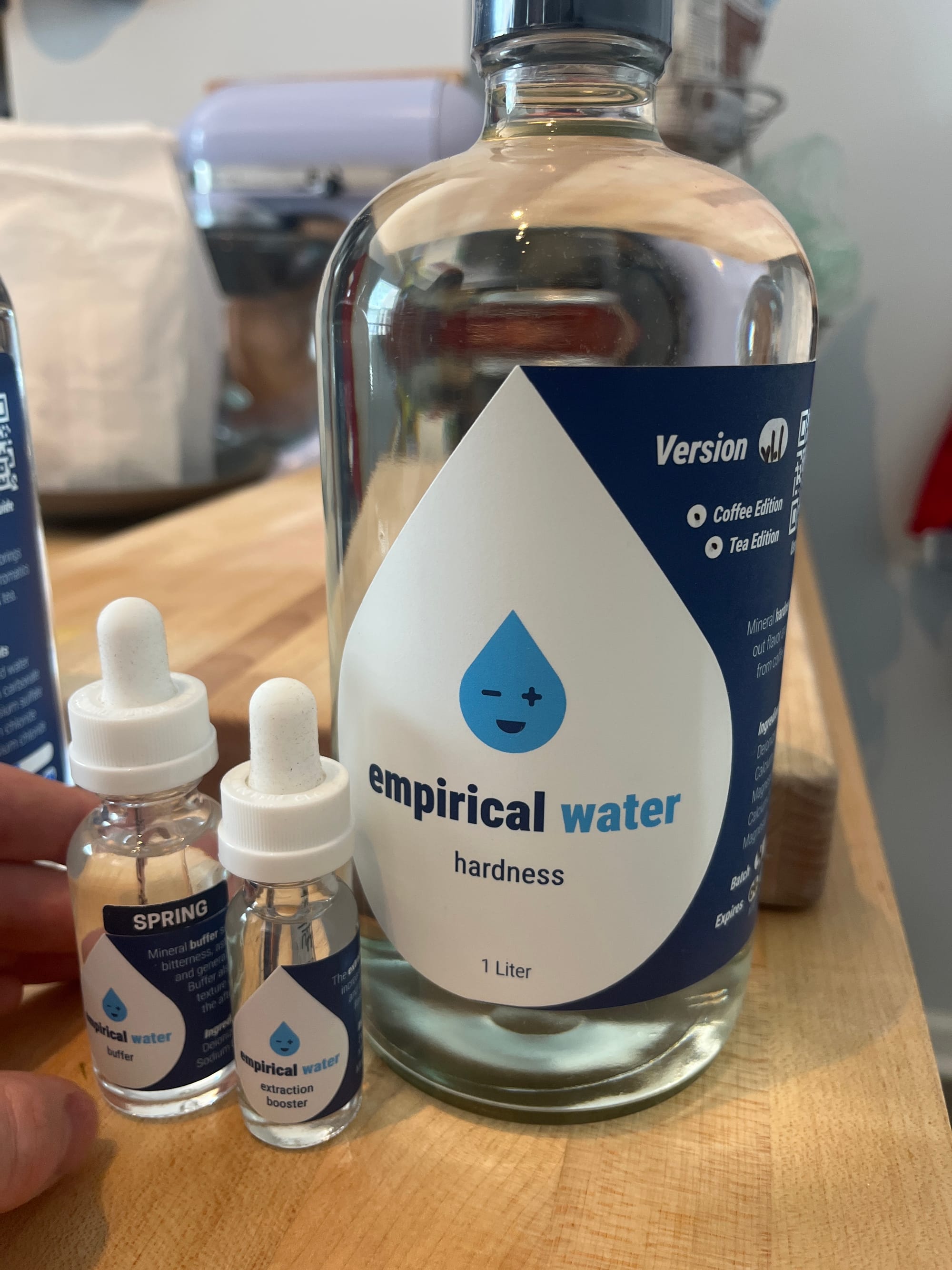
You know how I said I started using powdered mixes? Well, Arby got to the point where he started a legit business selling the bottled ready-made concentrates. Since I'd been using mostly his recipes as it was with good success for me at the time, it was a no brainer to jump in and support him.
These things were easy compared to the powders. My routine was simple:
- Order a box of concentrates (about 4 bottles)
- Pour one in a 5 gal jug and go to the store
- Treat the concentrate with about 20 drops of buffer solution
- Fill it up with DI at Whole Foods and be a happy camper 😄
Well, that worked just fine for...quite a long time actually. You see, I was drinking primarily YQH at the time and not venturing out too much. Sure I'd have the oolong, sencha, and white tea here and there - but a lot of my tea drinking was sheng, and a lot of that was YQH.
TBH, that's sorta how my tea drinking was for some time, and it's still fairly close to that today. Though now, it's more 60/40 : Sheng/other; and I'd say about half of that is YQH instead of 80%. So it's about 1/3.
A quick note on Empirical:
Arby is a lifelong friend, and I talk about this a little more in my Tea Curious Original review article; I highly endorse his water. However, over time, I noticed that with Pittsburgh’s base water, both Glacial and Spring tend to emphasize a particular mid-range character across many teas. With something like YQH—already known for its polarizing storage aroma—that effect can push the profile even further in one direction. I happen to enjoy that, but it undeniably shapes the cup.
Because of that, I’m not using Empirical for tea right now. Some teas respond beautifully; others feel skewed. The variance makes it harder to assess them cleanly. For example: the mineral profile and extraction it yields on a 2003 Wisteria Zipin or Qingteng just does not respond well. It amplifies that mid-register, smoky-briny note far too much and throws the whole tea.
For coffee, though, it’s a different story. He's got a lineup of world champion and professional endorsements at brewers cups around the globe.
Empirical remains our water of choice there—consistently excellent results.
Back to the article
We change, our palates grow and expand, our tastes change, we find ourselves in seasons of wanting to try new things and branch out, and keep learning. I encountered one of those about the same time the store situation changed and my water fill station began to be affected.
Basically what happened was the following chain of events:
- The Whole Foods I filled up at removed their water fill station...
- They moved to a new building and said they'd get it back...well, that never happened.
- I moved to filling at a local co-op which surprisingly was the only other convenient retail fill station in the area. (Pittsburgh is big relative to PA but not too big)
- That fill station only had RO, which worked for a time but slightly skewed the water's base mineral profile compared to DI.
- Then summer came, and whether it was the hot weather or just the lack of regular cleaning that system received, my options were made clear:
If you want something done right, you've gotta do it yourself.
And do it myself I did.
The Filter (St)Age
Ah yes, the filtered age...at least temporarily. In all fairness this lasted not very long so more of a stage than an age, almost just a phase.
I suppose you could more aptly call this the blended age, but aren't they all blended in some way?
You'd think I would've started on filtered water, and in truth: I did; it was just atrociously bad. Pittsburgh man...great food scene, trash water. Never cared for filtered water, at least what I had. I preferred quite quickly to just go powdered and mix my own with remineralization.
To be fair, I did not think at that time about blending filtered water with RO, where to get RO and why, or the extremely substantial differences between filters and different RO stations. All of those matter far more than you'd think.
Yeah, extremely substantial differences between different water filters, systems, and even filters within the same brand. When you're dealing with something as subtle as literal water, you don't get the luxury (if you're taking it really seriously) of just throwing something at the wall and calling it all about equal, particularly when your city is a known problem child for it.
The RO/DI Age
It's all the RO-age 😃 ... a cricket chirps painfully in the distance...
Check out this baby:
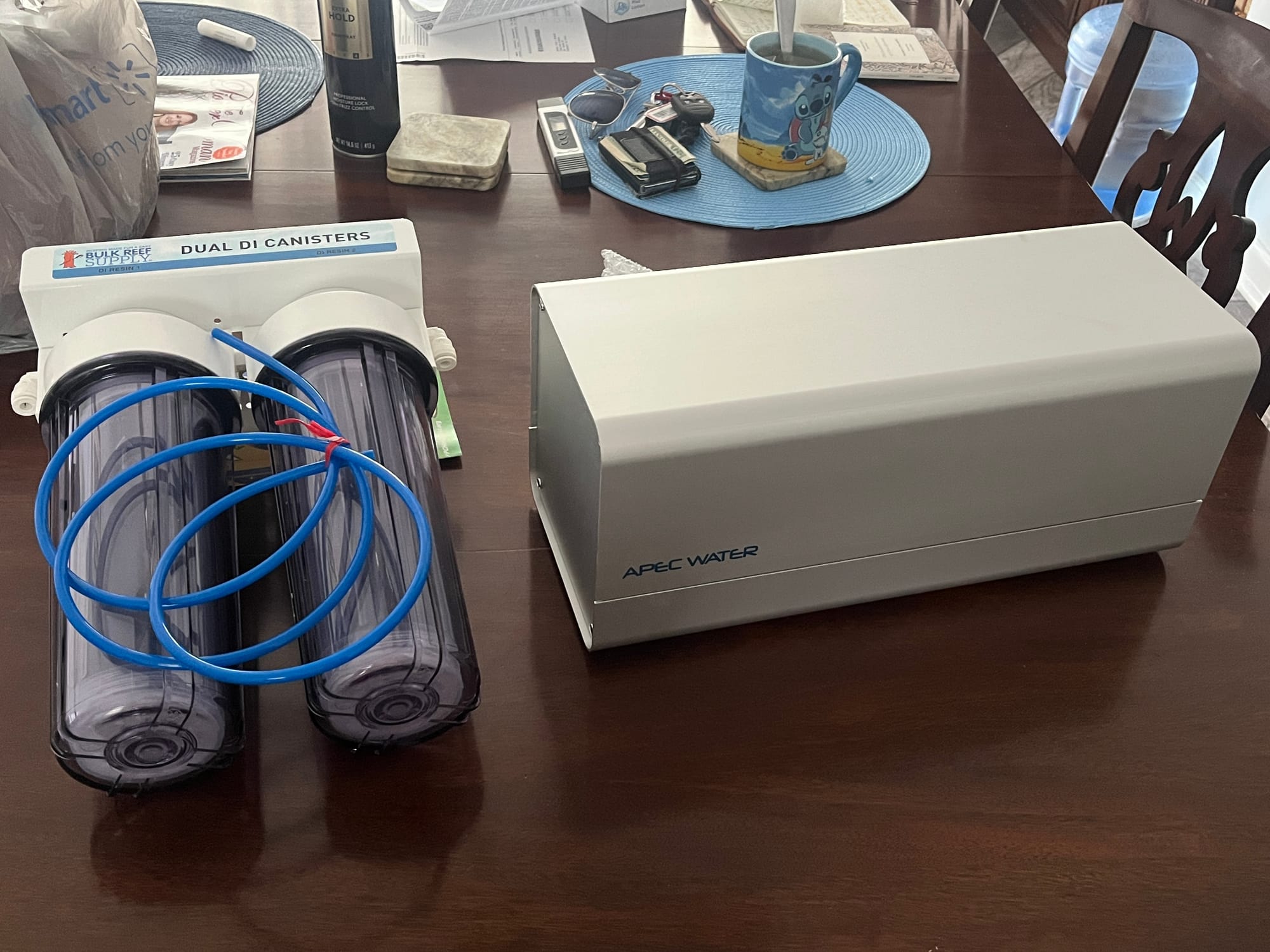
That there's a four stage fighter jet of a water filter with a dual DI resin canister tacked on.
You could technically call it a 6 stage cause there's 2 DI canisters. Whatever, it's not the most expensive filter on the market but it's not the cheapest. APEC is a great brand and this thing puts out straight up ghost water. Like - nothing. You can't even tell you're drinking it. Can't feel it go down your throat, can't taste it, it's a really odd sensation. If you drank too much it would demineralize you a lot and that would actually be really bad.
GONE are the days of poor quality base water skewing everything all over the place. SMITTEN.
I get heated, I'm a guy that's passionate about clean, zero, base waters.
And just look at it
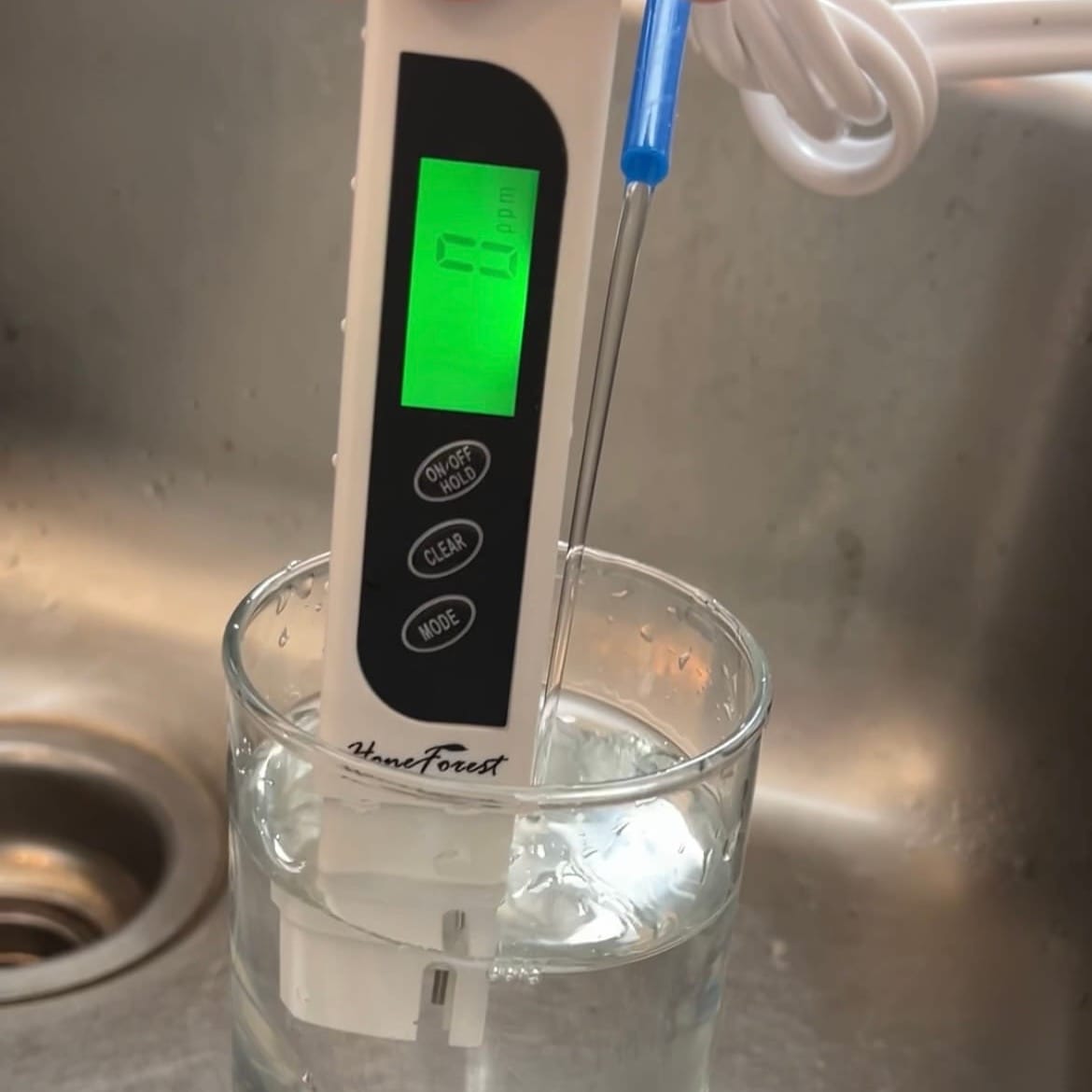
PERFECT ZERO BABY - LET'S GOOOOOOOOOOOOOOOOOOOOOOOO!!!!!!!!!!
Yes this is what I do with my free time.
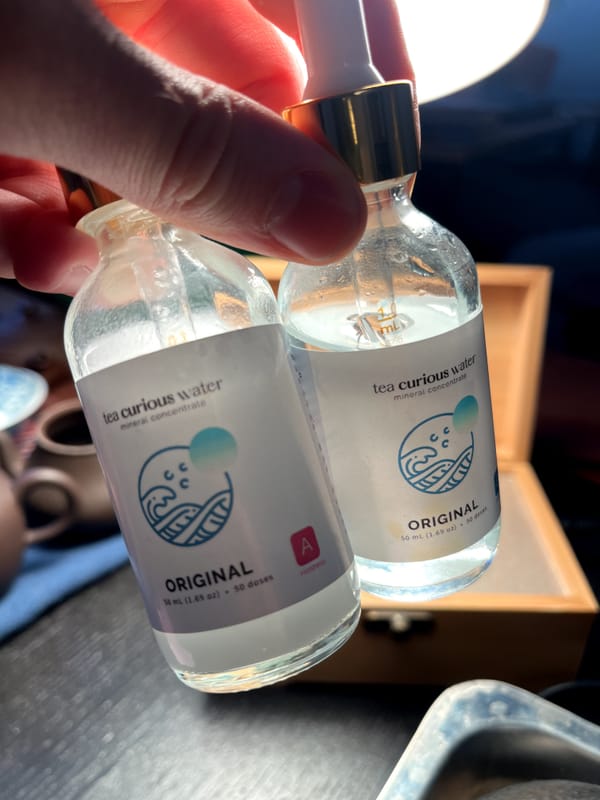
If you'd like to know what the current iteration of my water is, you can go read this article on Tea Curious Original droppers here:
 Brandon Kendall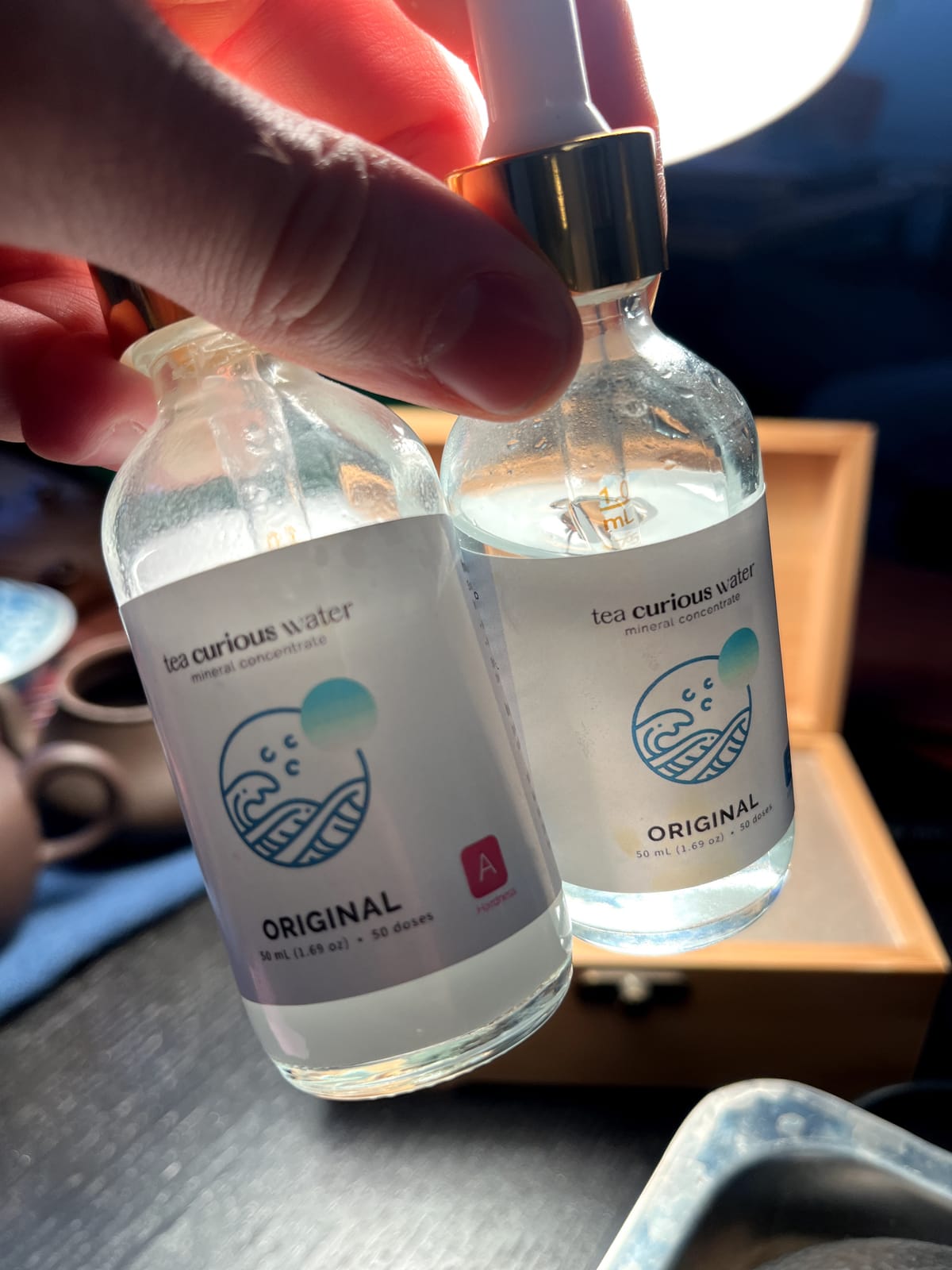
Just a couple drops in a kettle of ghost water and you're on your way to solid, consistent tea. I expect it to be the solution for years to come 😄