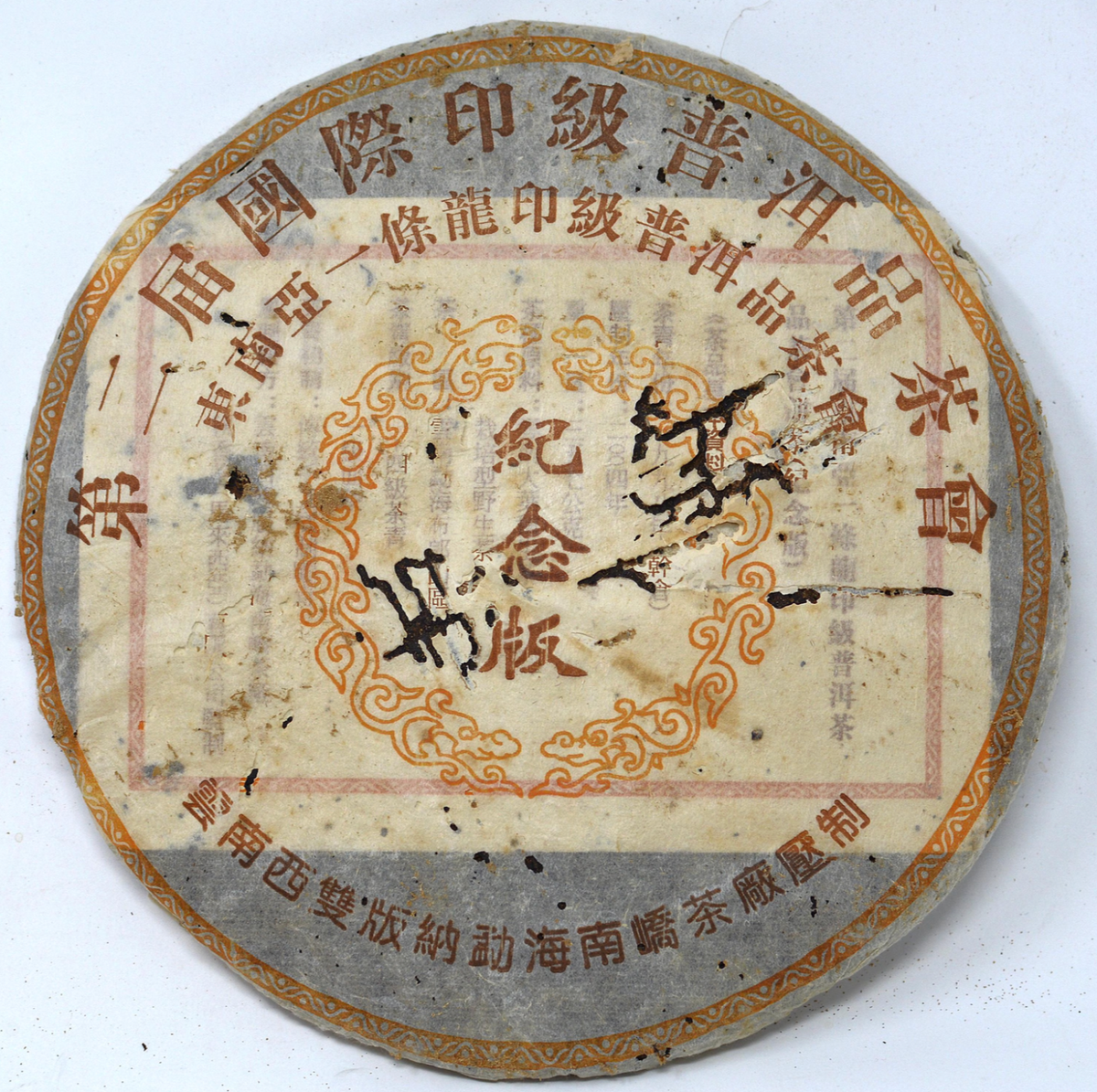
2004 South East Asia (SEA) Puerh Association Commemorative Cake, Nanqiao

Context:
This is a tea that is well known right now among the community. It is pretty well received and very highly regarded. The first time I had this I hated it, it was far too strong. I have since done it more justice with great water, a lower ratio, and a gentler brew. This is 98 material pressed in 04 aged dry in Malaysia.
Sample acquired from Qwasx, acquired from Liquid Proust.
Parameters:
- Grams: 3g +- 0.2
- Vessel: 1960's 67ml Hongni teapot
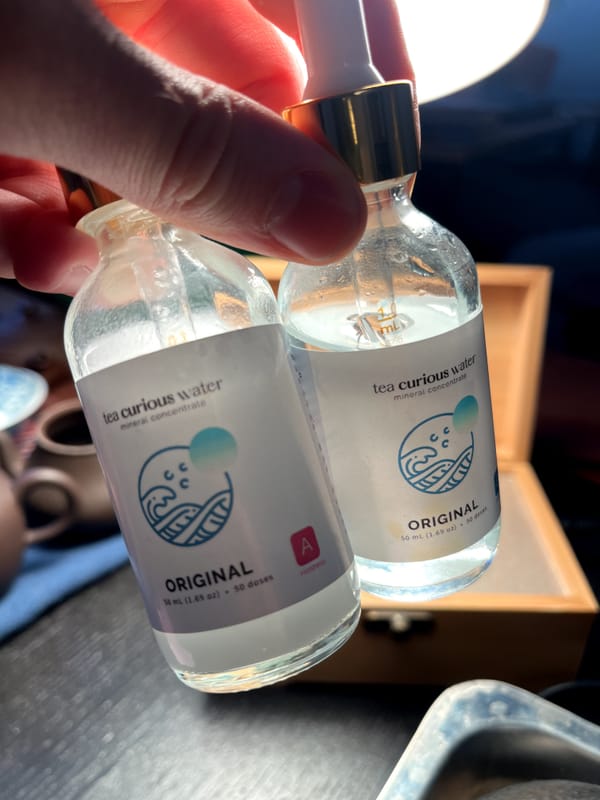
- Water: Tea Curious Original Droppers from RO/DI base
Visuals:
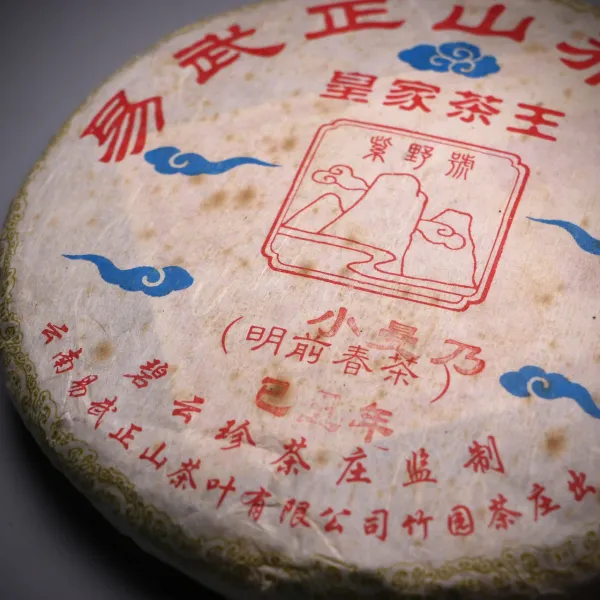
Idk if I'm alone here but when you talk about visuals - I'm just an absolute sucker for the yellow and brown colors of the wrapper. This is one I'll frame for the tea room for sure. It's unique and good at the same time. I really love Wilson's photo but don't want to steal it so I'll like his awesome blog here and you can go read and see it!
 wilson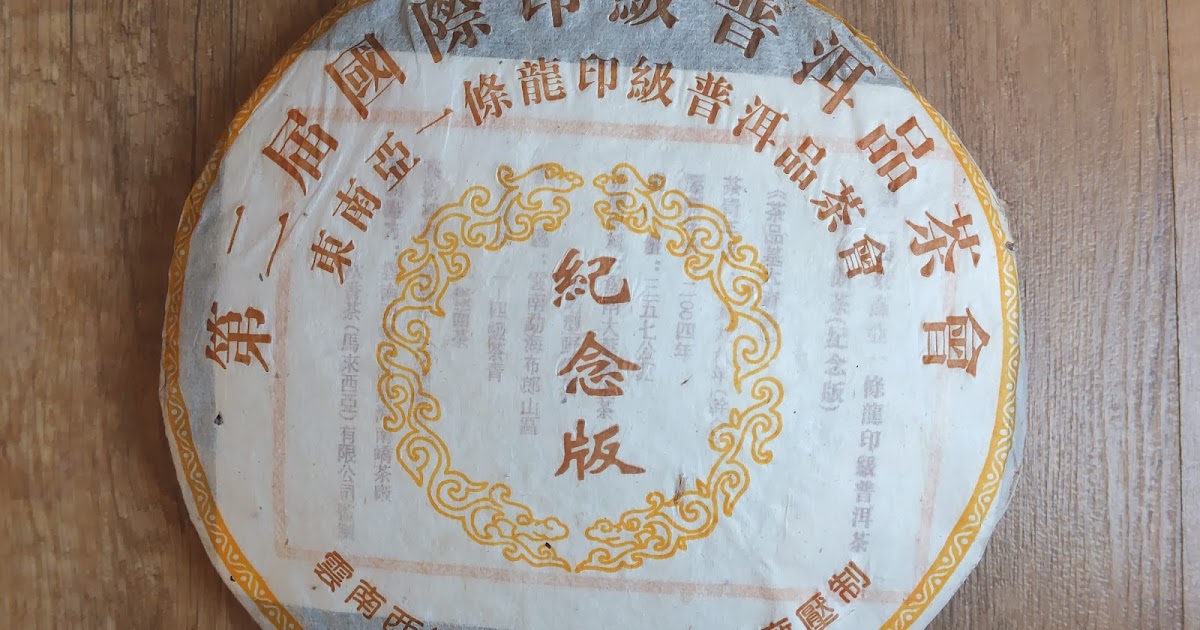
Leaf wise, this was a sample, but here's the cake.
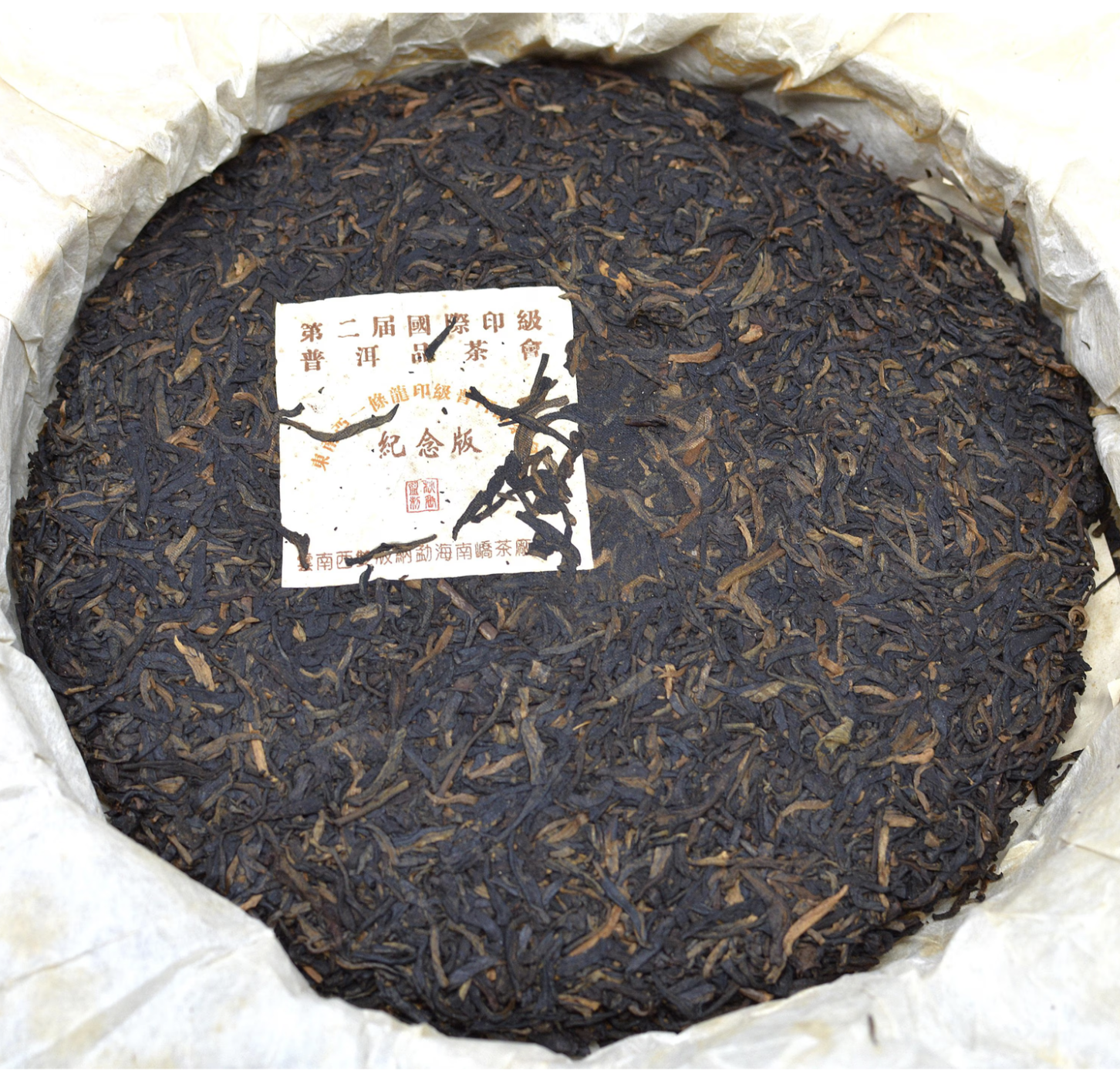
It's a good lookin' cake. I'm a fan. Let's see how the rest is.
Dry Heat:
Definitely camphorous (or camphoraceous if you're spell check...) That's for sure the dominant note for a few steeps. Without the leaf being wet it's a very prominent camphor and not much else. Usually...I want to see this evolve into something else or become a complement to other notes. Generally I consider it a bad thing if that's all there is and it's loud. Let's see if it blooms.
Wet Heat:
After the first steep we're getting a 'yellow' note. Almost...butter? Buttery? Various butters? ...popcorn??
Fascinating.
There's also now in two and three a particularly soft, white, asian fruit note. Skin. No wait - flesh volatiles. Dang, wow! Rambutan, longan, lychee...maybe a blend of all three?
So we've got camphor, that's not strong brutal old book-leaning mothball / dark basement camphor; that is in fact distinctly camphor and not menthol or eucalyptus,
We've got faintly popcorn adjacent mostly room-temp expressing butters 🧈,
and we've got this intriguing south-east asian (hence the name I guess) white fruit flesh vibe.
Pretty 5/5 right now, let's go watch it make it to the cup 👉
Steeps:
Well the camphor is certainly there. That's steep one. The texture is good. It's heavy in the mouth.
Into steep three we see a proper bloom (flash steeping 1, 2, and 3) - we've got that white fruit coming through, which is huge, frankly. That's a big plus for this tea.
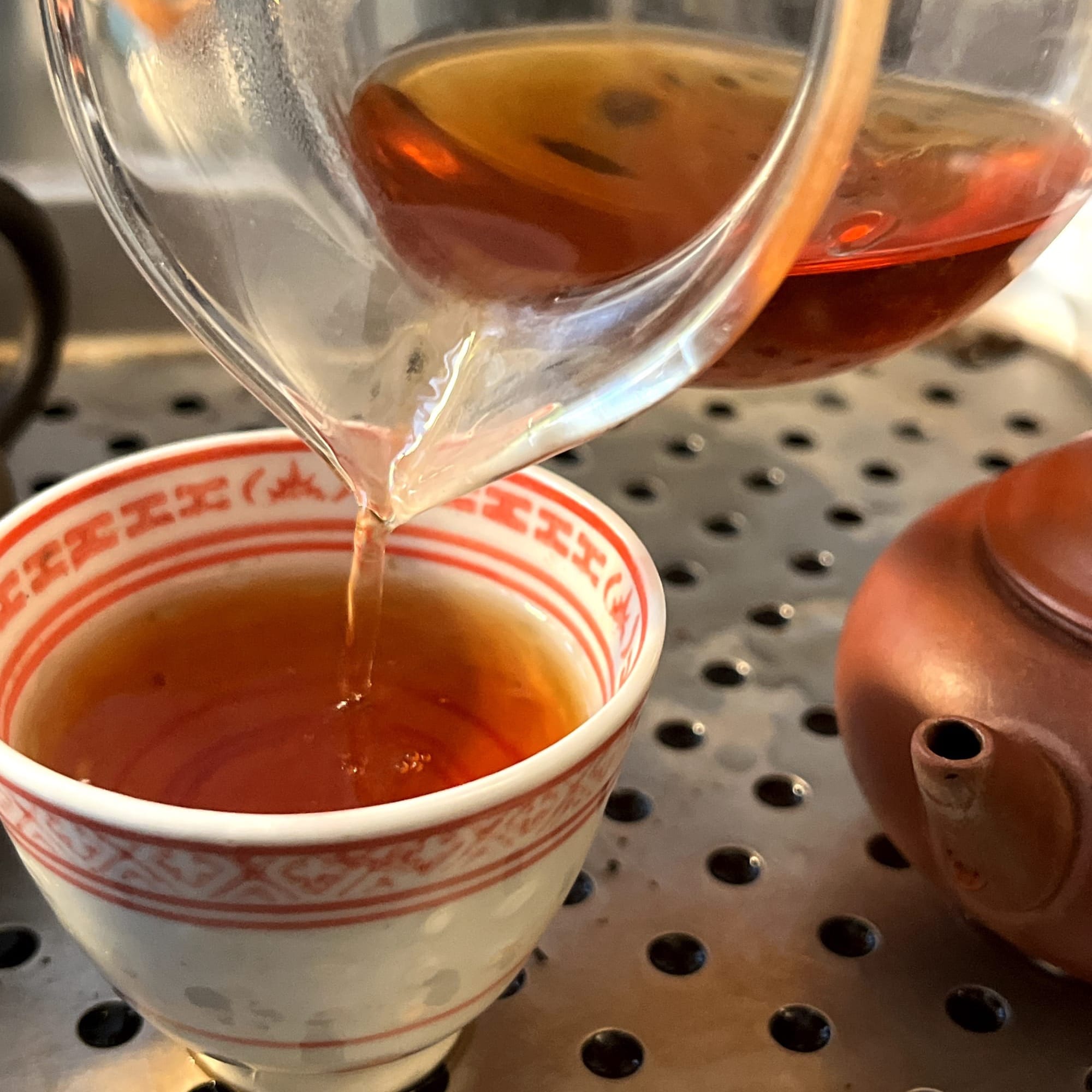
In south east asian white fruit land:
- Rambutan tends to be tangy sweet,
- Longan tends to be musky sweet, and
- Lychee tends to be floral sweet
This is more tangy sweet, but a little bit of funky interesting sweet, so I'll probably split the difference and call it both rambutan and longan - though I'll lean rambutan.
So. often. I have teas come across the table that have just. incredible. noses but NONE OF THE AROMA MAKES IT TO THE CUP. Frustrating. 😠
Here, it does. That's an excellent characteristic. And all three elements translate to the cup. The aroma is in the soup. (香入汤)
Qi:
Yeah, that's right folks, Snoot's feeling some qi on this one 🤯
Here was my blurb I wrote while dialing in on it.
Calming. Not a lot of flow? Downward, grounding...slight. No real hot or cold, but heavy?
Mild headiness and very presence bringing. Pulls you into the present this one. Had to look for it a bit I did, but I found it, and seemed to resonate with others experience.
Punchline:
Ya got some pretty engaging aspects to this tea, it's really quite well rounded.
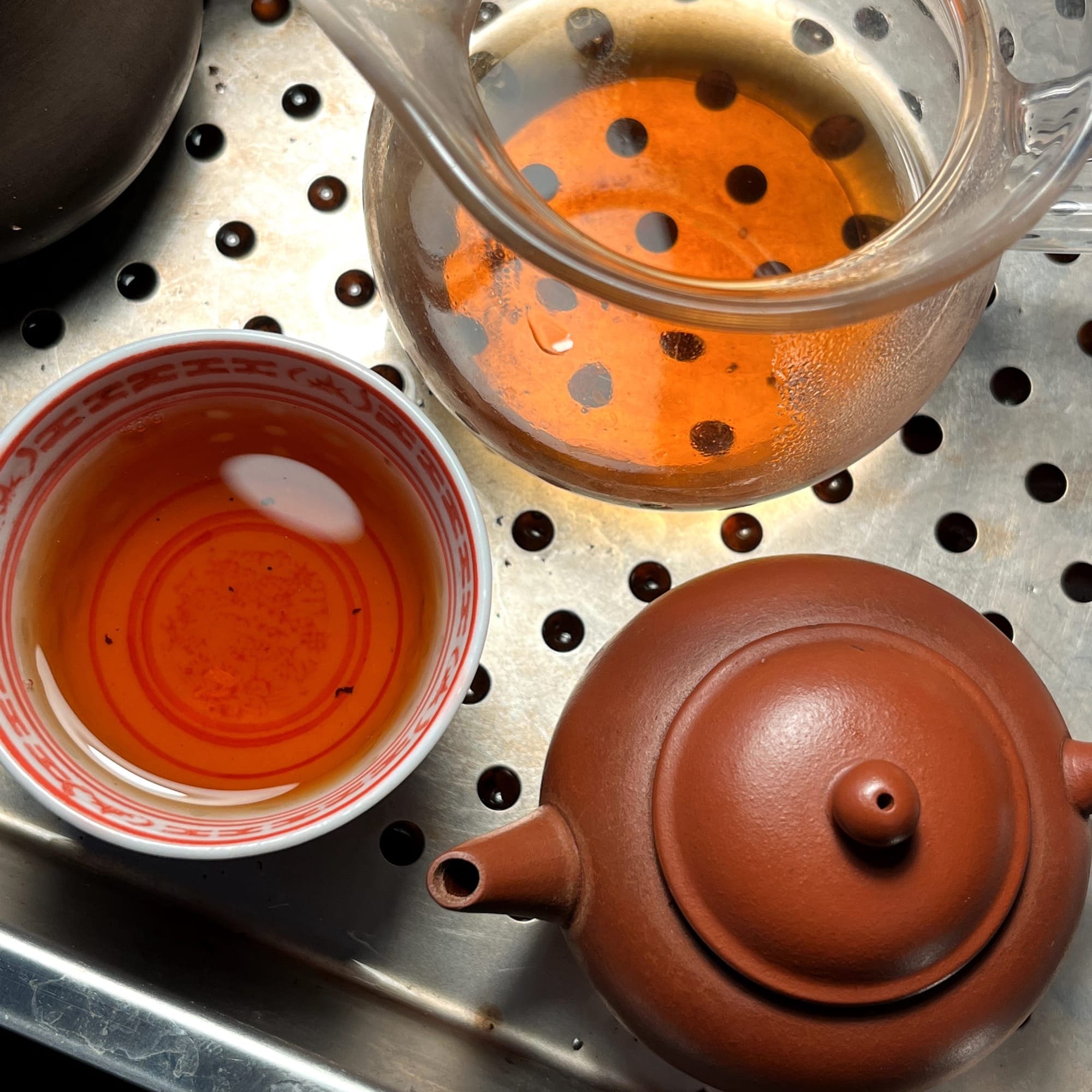
A balanced camphor base, a buttery aroma and texture to carry it through, and a pop of ripe white fruits to bring it home; all bundled up in a beautifully soft weighted blanket of downward qi and a light sprinkling of powder from a red pill pulling you gently into the present.
A friend once told me for a tea to be justified in being expensive, it better deliver on all fronts. This does. Is it my favorite? No. It's a bit quirky, requires a bit lower ratio, a bit more deft a hand. For the Pu drinker that's been around a bit and knows how to treat it well, I think you'll find it very rewarding, intriguing, and captivating. I'll certainly be tucking a cake away 😉
Learning something from this tea should not be very difficult, it's one that wants to teach.
Have you seen my tasting process walkthrough? Check that out here:
 Brandon Kendall
Wanna grab some good water? I'm currently endorsing Tea Curious Original Droppers for all my teas (with an RO/DI base)...

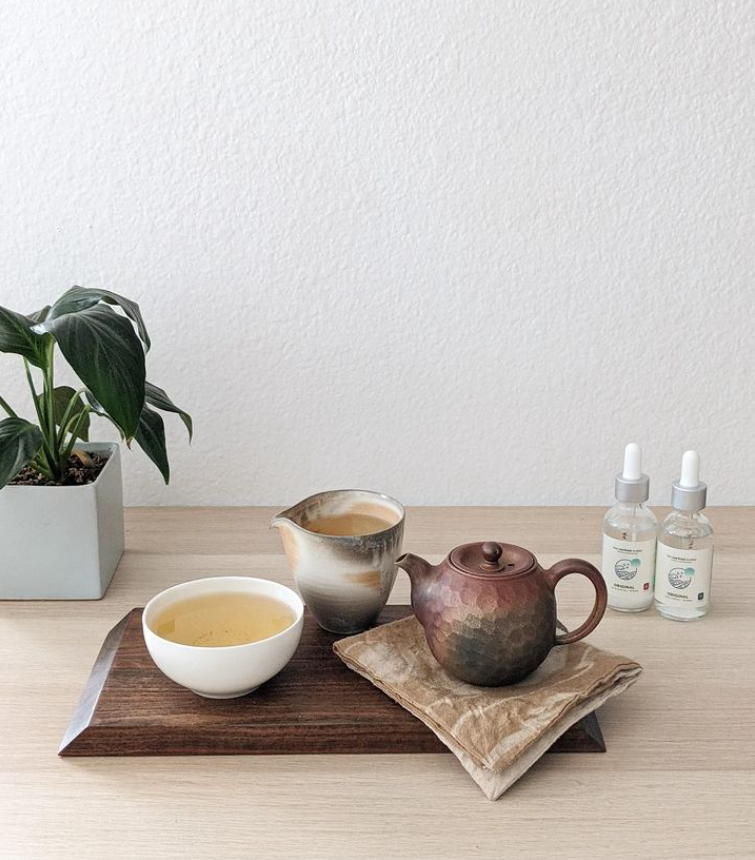
...and Empirical Water Glacial for all our coffee needs (mostly Rachel, but I like a cup from time to time as well 😄)
 Empirical Water